
Medically reviewed by [Julian Vance, Nutritionist] | Updated September 2026
Bloating, heaviness, and sluggishness after meals are common and often fixable. Your gut absorbs nutrients, houses trillions of bacteria that support immunity, and has its own nervous system, which is why stress and digestion are so closely linked.
Here are 10 simple habits to improve your digestion naturally, with no fancy supplements or extreme diets needed.
10 Ways to Improve Digestion Naturally
1. Eat More Fiber, and Increase It Slowly
Most adults need roughly 25 g (women) to 38 g (men) of fiber a day, and many get about half that. Fiber feeds beneficial gut bacteria and supports regular bowel movements.
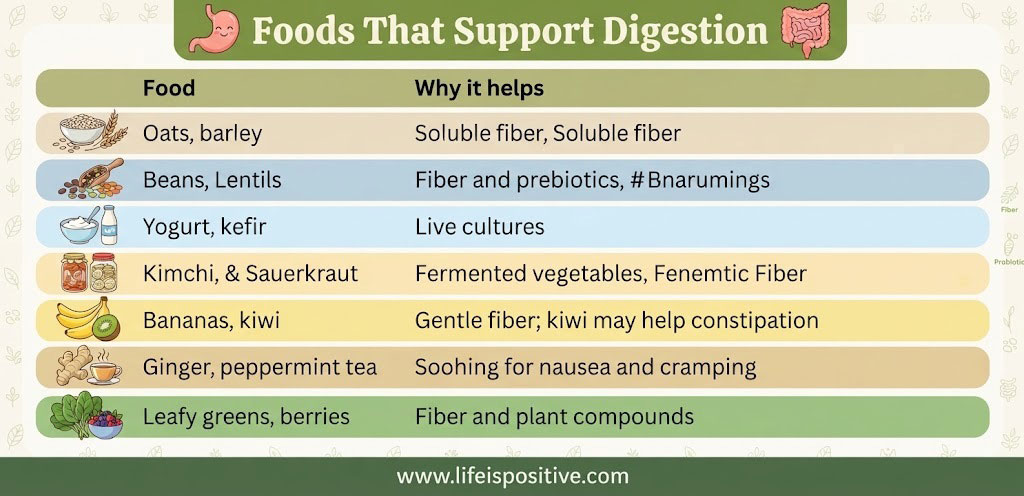
• Soluble fiber: oats, beans, lentils, apples, bananas
• Insoluble fiber: whole grains, nuts, vegetable skins
Add fiber over 2 to 3 weeks and drink enough fluids. Jumping up too fast can cause gas and bloating.
2. Chew Thoroughly
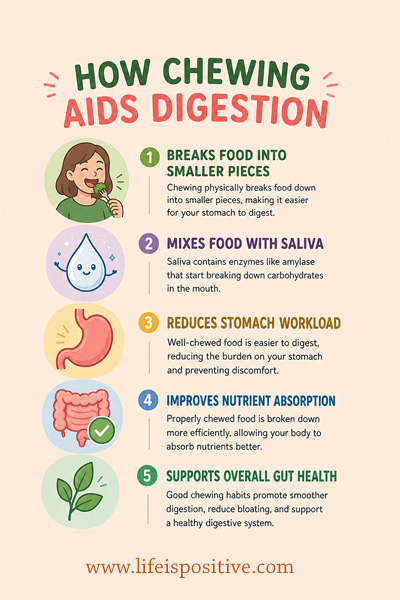
Digestion starts in the mouth, where chewing breaks food into smaller pieces and mixes it with saliva. Slowing down also helps you notice fullness and may reduce swallowed air. Aim for well-chewed, unhurried bites rather than a strict count.
3. Stay Hydrated
Fluids help fiber do its job, and low fluid intake can contribute to constipation. There’s no magic number of glasses. A practical guide is pale-yellow urine, and more fluids if you’re active or in hot weather. Coffee, tea, soups, and water-rich fruits all count.
4. Add Fermented Foods
Yogurt with live cultures, kefir, sauerkraut, kimchi, and miso supply live bacteria and are linked to a more diverse gut microbiome. Start with a small serving daily. If you have a weakened immune system, ask your doctor first.
5. Take a Short Walk After Meals
A 10 to 15-minute gentle walk can ease that heavy, full feeling and help steady blood sugar after eating. Skip intense exercise right after a large meal.
6. Manage Stress
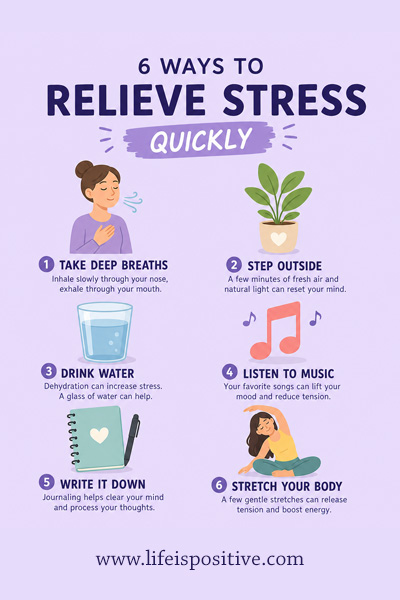
Stress affects gut motility and sensitivity, which is why anxiety often shows up as stomach problems. Try slow breathing for five minutes, a short daily walk, or scheduled breaks. Eating while stressed or rushed makes symptoms worse for many people.
7. Eat at Regular Times and Eat Mindfully
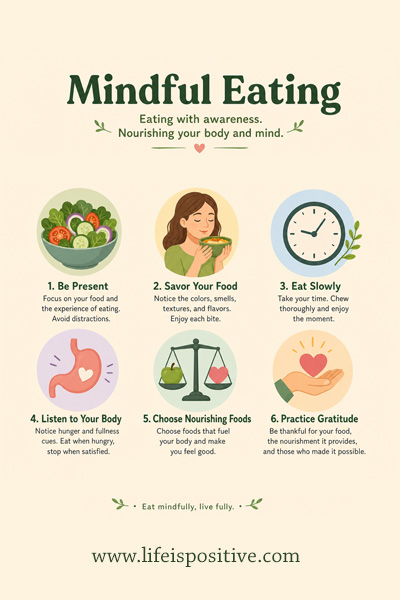
Consistent meal times help your body anticipate food. Sit down, put your phone away, and stop when you’re comfortably full. Large, late, heavy meals are a common trigger for reflux and discomfort.
8. Use Digestive Herbs and Teas
• Ginger: well-studied for nausea and may help stomach emptying
• Peppermint: may ease cramping and bloating, especially with irritable bowel symptoms (avoid if you have acid reflux, as it can worsen it)
• Fennel: traditionally used for gas and bloating
These can be soothing, but they’re supportive rather than a cure.
9. Prioritize Sleep
Poor sleep is associated with gut symptoms and changes in the microbiome. Aim for 7 to 9 hours on a consistent schedule.
10. Identify Personal Triggers
Not every food affects everyone the same way. Common culprits include large amounts of fried or fatty food, carbonated drinks, alcohol, sugar alcohols, and, for some, lactose or certain high-FODMAP foods. Keep a simple food and symptom log for two weeks, and avoid cutting out whole food groups without professional guidance.
A Simple Day to Try
Morning: oatmeal with berries and a glass of water (warm lemon water is fine if you enjoy it, but it isn’t essential)
Lunch: lentil soup or a bean and vegetable bowl, eaten slowly
After lunch: 10-minute walk
Snack: yogurt or an apple
Dinner: fish or tofu with vegetables and brown rice, finished at least 2 to 3 hours before bed
Evening: ginger or peppermint tea, then wind down for sleep
When to See a Doctor
• Natural habits help with everyday symptoms, but see a doctor promptly if you have:Blood in your stool, or black, tarry stools
• Unexplained weight loss
• Persistent vomiting or difficulty swallowing
• Severe or worsening abdominal pain
• Symptoms lasting more than a few weeks
• A new, lasting change in bowel habits (especially after age 45)
• Anemia or a family history of colon cancer
FAQ
How can I improve my digestion quickly?
Drink water, take a short walk after meals, eat slowly, and ease off heavy, greasy foods. For lasting change, build up fiber and keep consistent habits over a few weeks.
What is the best drink for digestion?
Water is the foundation. Ginger or peppermint tea can be soothing, and kefir provides live cultures.
Does lemon water really help digestion?
It’s hydrating and many people like it, but there’s little evidence that it does more than water does.
What are signs of poor digestion?
Frequent bloating, gas, constipation, diarrhea, or heartburn. Occasional symptoms are common, but persistent ones are worth discussing with a doctor.
Should I take digestive enzymes or probiotics?
Most people don’t need them. Food sources come first, and supplements are best discussed with a healthcare provider, especially if you have a medical condition.
For more empowering content, connect with our vibrant community here ➡️ Social Media.
This article is for informational purposes only and isn’t medical advice. Talk to your doctor about persistent digestive symptoms.
Sources : NIDDK (National Institute of Diabetes and Digestive and Kidney Diseases), Mayo Clinic, Harvard Health


