
Most people with high blood pressure (hypertension) have no symptoms at all. Possible warning signs include severe headaches, blurred vision, chest tightness, nosebleeds, dizziness, fatigue, swelling, and changes in urination. But the only way to know is to measure it. The good news is that exercise, less sodium, more potassium, better sleep, and stress management can lower it, often within weeks.
High blood pressure rarely announces itself. You can feel completely fine while the extra force inside your arteries slowly strains your heart, brain, kidneys, and eyes. That’s why it’s called the “silent killer.”
This guide covers what your numbers mean, the possible warning signs, how to lower blood pressure naturally, and when to get emergency help.
What Is High Blood Pressure?
Blood pressure is the force of blood against your artery walls. It’s written as two numbers: systolic (pressure when your heart beats) over diastolic (pressure between beats).
When pressure stays high, it damages blood vessel walls. Over time this raises your risk of heart attack, stroke, kidney disease, vision loss, and heart failure.
Why High Blood Pressure Deserves Attention
Blood pressure measures the force of blood pushing against your artery walls. When that pressure stays consistently high, it damages the lining of blood vessels. Over time, this increases your risk of heart attack, stroke, kidney disease, vision loss, and heart failure.
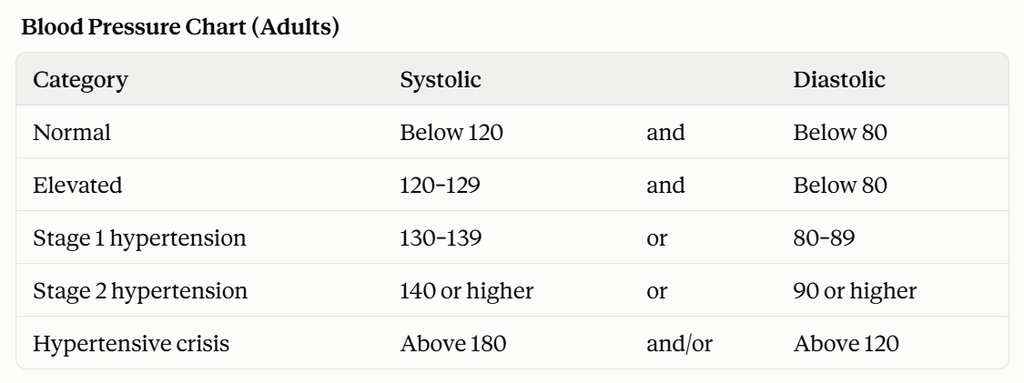
Based on American Heart Association categories. A diagnosis requires multiple readings, so talk to your doctor about yours.
8 Possible Signs of High Blood Pressure
Important: these symptoms are not proof of hypertension, and most people with it feel none of them. Treat them as a reason to check your numbers.
1. Severe or Sudden Headaches
Most headaches are harmless. But an abrupt, intense headache unlike your usual ones, especially with confusion or vision changes, needs prompt medical attention.
2. Blurred or Changed Vision
The tiny blood vessels in your eyes are sensitive to prolonged high pressure. Blurriness, trouble focusing, or sudden visual disturbances should be evaluated quickly.
3. Chest Tightness or Shortness of Breath
High pressure makes the heart work harder. Chest pain is always urgent, so call emergency services.
4. Frequent Nosebleeds
Occasional nosebleeds are usually caused by dry air. Frequent, unexplained ones are worth a blood pressure check.
5. Dizziness or Lightheadedness
Many things cause dizziness, but recurring episodes, especially with headaches or vision changes, warrant a reading.
6. Ongoing Fatigue or Brain Fog
Persistent tiredness, poor concentration, or memory trouble can have many causes. Long-term hypertension is one of them, so it’s worth ruling out.
7. Swelling in the Legs, Ankles, or Abdomen
Fluid retention can signal strain on the heart or kidneys. Swelling that doesn’t go away should be checked.
8. Changes in Urination
Your kidneys help regulate blood pressure and are damaged by prolonged high pressure. Watch for changes in frequency, foamy urine, or blood in the urine.
When to Get Emergency Care
Call emergency services immediately if you have a reading above 180/120 with any of these:
- Chest pain
- Sudden severe headache
- Difficulty speaking
- Weakness or numbness on one side
- Sudden vision loss
- Shortness of breath
These can signal a hypertensive emergency or stroke.
How to Check Your Blood Pressure
- Doctor’s office or pharmacy: quick and free at many pharmacies
- Home monitor: shows patterns over time, and is often more useful than a single reading
Tips for accurate readings: use an upper-arm cuff that fits, sit quietly for 5 minutes, keep your feet flat and arm at heart level, and avoid caffeine, smoking, and exercise for 30 minutes beforehand. Take two readings a minute apart and log them.
9 Proven Ways to Lower Blood Pressure Naturally
You don’t need to change everything overnight. Sustainable habits work better than extreme short-term efforts.
1. Move Every Day
Aim for at least 150 minutes of moderate aerobic activity weekly (brisk walking, cycling, swimming), plus strength training twice a week. Regular exercise can lower systolic pressure by several points. If 30 minutes feels like too much, start with 10.
2. Follow the DASH Eating Pattern
DASH (Dietary Approaches to Stop Hypertension) is one of the best-studied diets for blood pressure. It emphasizes vegetables, fruits, whole grains, low-fat dairy, fish, poultry, beans, and nuts, and limits processed foods, red meat, and sugary drinks.
3. Cut Back on Sodium
Most sodium comes from processed and restaurant food, not the salt shaker. The American Heart Association recommends no more than 2,300 mg a day, with an ideal limit of 1,500 mg for most adults, especially those with high blood pressure.
- Read nutrition labels
- Cook at home more often
- Season with herbs, garlic, lemon, and spices
4. Get More Potassium
Potassium helps your body flush out sodium and relax blood vessel walls. Good sources include bananas, potatoes, beans, spinach, and yogurt. Check with your doctor first if you have kidney disease or take certain blood pressure medications, since too much potassium can be dangerous.
5. Lose Excess Weight
On average, blood pressure drops about 1 mm Hg for every kilogram (2.2 lb) lost. Even modest weight loss helps, and crash diets aren’t necessary.
6. Limit Alcohol and Quit Smoking
Heavy drinking raises blood pressure, and for blood pressure, less is better. Smoking damages blood vessels, and quitting improves circulation quickly. Ask your doctor about support programs if you need them.
7. Prioritize Sleep
Aim for 7 to 9 hours a night. If you snore loudly, wake up gasping, or feel exhausted despite a full night’s sleep, ask about sleep apnea. Treating it can improve blood pressure control.
8. Manage Stress
Chronic stress keeps blood pressure elevated. Try five minutes of slow breathing daily, short walking breaks, and less time on doom-scrolling. It’s preventive care.
9. Take Medication If Prescribed
Lifestyle changes aren’t always enough, and that’s not a failure. Genetics, age, and other conditions play a role. Take medication consistently, never stop without medical advice, and report side effects to your provider. Medication plus healthy habits give the strongest protection.
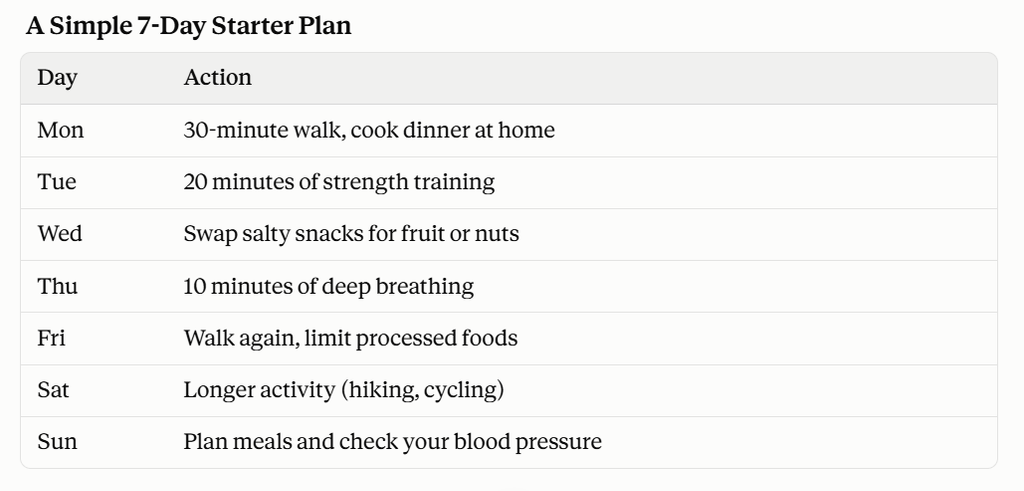
Frequently Asked Questions
Can you have high blood pressure and feel fine?
Yes. Most people with hypertension have no symptoms, which is why regular checks matter.
What are the first signs of high blood pressure?
Often there are none. When symptoms do appear, they may include headaches, dizziness, blurred vision, or nosebleeds, but these are not reliable indicators.
How quickly can you lower blood pressure naturally?
Many people see improvement within a few weeks of regular exercise, less sodium, and a DASH-style diet. Results vary.
What should I do if my reading is high once?
One high reading isn’t a diagnosis. Rest, retake it after 5 minutes, and log readings over several days. If they stay 130/80 or above, see your doctor. If it’s above 180/120 with symptoms, seek emergency care.
Can stress cause high blood pressure?
Stress raises blood pressure temporarily, and chronic stress can contribute to long-term elevation, especially when it drives habits like poor sleep or overeating.
The Bottom Line
High blood pressure often has no symptoms, so measuring is the only reliable way to know. Check your numbers, make one small change today, and build from there. Small habits like walking, less salt, and better sleep add up to real protection for your heart.
This article is for informational purposes only and isn’t a substitute for professional medical advice. Talk to your doctor about your blood pressure.
Sources: American Heart Association, CDC, NHLBI (DASH), Mayo Clinic


